


Bintu - The Merchant
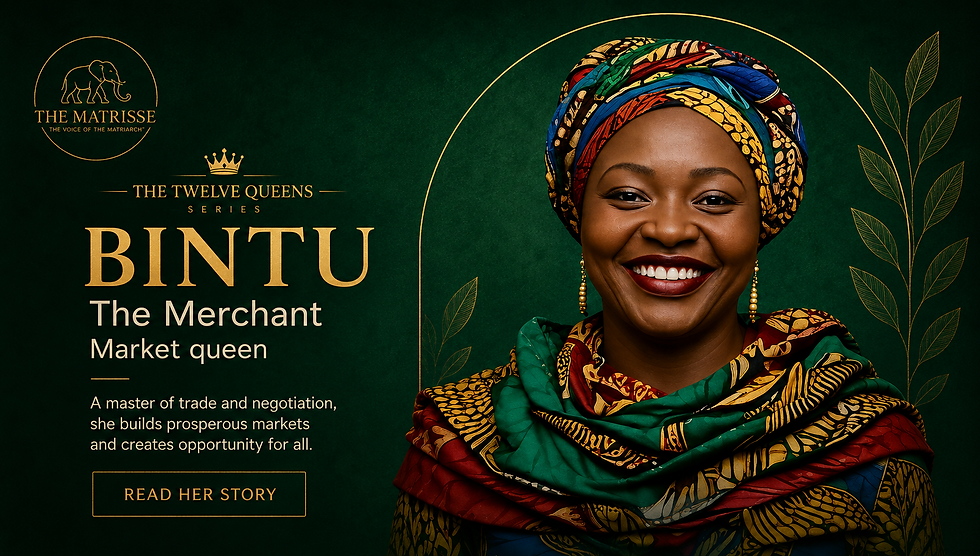
Before dawn breaks over Freetown, Sierra Leone, Bintu is already at work. She arranges tomatoes, peppers, spices, rice sacks, and colourful fabrics along the crowded market streets. To many, she is just another merchant, but to her community, she is a vital thread in the fabric of daily life. Bintu knows her customers well: the mothers expecting babies, the grandmothers managing diabetes, and the young girls who miss school each month due to painful periods. Yet, despite her deep connections, Bintu faces a harsh reality—women like her, working in informal economies, often remain invisible to healthcare systems.
The Invisible Struggle of Women in Informal Markets
Women in informal markets carry heavy burdens. They support families, sustain local economies, and keep communities running. Yet, their health needs are frequently overlooked. Many lack health insurance, cannot afford to take time off, and find it difficult to secure appointments that fit their busy schedules. Digital health tools rarely consider their unique circumstances, languages, or literacy levels.
For years, women like Bintu relied on word-of-mouth advice, often delaying care until conditions worsened. Clinics were overwhelmed, and preventive care was a luxury few could access. This gap in healthcare access has real consequences: untreated illnesses, missed maternal care, and chronic conditions that go unmanaged.

How AI is Changing the Game for Women’s Health
The introduction of AI-powered health platforms is beginning to change this story. Through The Matrisse ecosystem, Bintu found a mobile-first platform designed specifically for women like her. This platform uses local language audio prompts and simple visuals to make health information accessible and actionable.
With this tool, Bintu can:
Track her symptoms easily without needing to read complex text
Receive health education tailored to her culture and daily life
Get reminders for maternal care appointments and vaccinations
Connect with trusted healthcare providers when she needs advice
Learn strategies to prevent illness and maintain wellness
Join conversations with other women facing similar challenges
This approach shifts healthcare from reactive to proactive. Instead of waiting for symptoms to worsen, women can monitor their health and seek help early. AI does not replace doctors or nurses; it supports them by bridging gaps in access and communication.
Real Impact on Real Lives
Bintu’s story is not unique. Millions of women across Africa work in markets, farms, and small businesses. They are the backbone of their communities but often neglect their own health due to time constraints and lack of resources.
The Matrisse platform respects their realities. It fits into their daily routines and speaks their languages. For example, Bintu can listen to health tips while arranging her goods or receive a gentle reminder about prenatal checkups during a quiet moment. This integration makes health care manageable, not an added burden.

Why Technology Must Reach the Marketplaces
Healthcare innovation often focuses on hospitals and clinics, but the future must include marketplaces where millions of women earn their livelihoods. These women face unique challenges:
Irregular income and unpredictable schedules
Limited access to formal health insurance
Cultural barriers to discussing health openly
Low literacy levels and limited digital experience
Technology that ignores these factors will fail to reach those who need it most. The Matrisse platform demonstrates how thoughtful design and AI can create tools that serve women in informal economies effectively.
By supporting women like Bintu, technology helps build stronger, healthier communities. When women have better access to healthcare, they can care for their families and contribute more fully to their local economies.

Moving Forward with Inclusive Healthcare
Bintu’s experience shows that healthcare solutions must be inclusive and grounded in real-life needs. AI and mobile technology can play a powerful role, but only if they are designed with empathy and cultural understanding.
Supporting women in informal markets means:
Creating health tools that work without internet or with low connectivity
Using audio and visuals to overcome literacy barriers
Offering health education that respects local customs and languages
Providing reminders and support that fit into busy, unpredictable schedules
Building community networks for shared learning and encouragement
These steps help women take control of their health without sacrificing their livelihoods.
Women like Bintu are the market queens who sustain their communities every day. By bringing healthcare to their fingertips, technology can help them thrive, not just survive. The future of health innovation belongs to every woman, especially those who have long been invisible to the system.
When women are healthier, families and communities grow stronger. Supporting women’s health in informal economies is not just good for individuals—it is essential for the wellbeing of entire nations.


Comments